Thursday, September 28, 2017

אהוד ברק: הטקס בגוש עציון - גושי היישובים מול התנחלויות מבודדות


יציעים ריקים בטקס ה"ממלכתי"י
מאמר בהארץ של אהוד ברק

הטקס בגוש עציון לציון 50 שנה לחזרתנו אל כל ארץ ישראל, ערש לידתנו כאומה וכנושאי שליחות אוניברסלית, הוא הכל מלבד טקס ממלכתי. זהו אירוע שעוצב כניסיון פוליטי זול ובוטה לנכס לימין בישראל את הישגי מלחמת ששת הימים ואת אהבת הארץ, ולעזאזל האמת והעובדות.
טקס ממלכתי היה מדגיש את המאחד והמוסכם ולא את המפלג והמפריד, שלא לומר המסית. טקס ממלכתי היה משקף את תרומת כל הזרמים בעם להישגי ההתיישבות ביהודה ושומרון ואף את המחלוקת הלגיטימית על מטרות ודרכים.
טקס ממלכתי היה מציין שמי שבנה את צה״ל והוביל את המערכה לשחרור חלקי ארץ היו יצחק רבין, חיים בר לב, מוטה גור ואחרים (שהתבררו לימים כ"שמאלנים" רחמנא ליצלן), ושמי שגיבש והוביל לאורך עשור את ביצוע ההתיישבות, בעיקר על פי שיקולים ביטחוניים, היה המערך השנוא כל כך.
טקס ממלכתי היה מעלה אל דוכן המברכים את אלוף (מיל׳) אלעד פלד, האיש שבגיל 21 בראש מחלקת פלמ״ח שחרר את צפת ובגיל 40 בראש אוגדה 36 שחרר את כל השומרון. איש מעשה חכם וצנוע, שמעולם לא דרש "כפיים!", ומעולם לא קיטר על "אפס כיסוי תקשורתי" של הישגיו, אך תרם לשחרור יהודה ושומרון יותר מכל המברכים והאורחים בטקס – יחד. או את דליה רבין, בתו של רמטכ"ל הניצחון ואדריכל השלום יצחק רבין, שנרצח על ידי בן עוולה, איש ימין קיצוני מוסת. או את יצחק הרצוג, ראש האופוזיציה ובנו של ראש אמ״ן והנשיא לשעבר, חיים הרצוג, שפוגג בהופעות ייחודיות בטלוויזיה שזה עתה באה לעולם את חרדות הציבור טרם ובמהלך המלחמה והיה מושלה הראשון של ירושלים המאוחדת. או את הילה אלעזר-כהן, בתו הבכורה של האלוף דויד אלעזר, דדו, שתבע מהיום הראשון והוביל מהיום הרביעי את כיבוש רמת הגולן בסערה.
טקס ממלכתי היה מעלה על נס את בהירות הראייה של "תכנית אלון" ואת ההיגיון הפנימי של תפיסת "גושי היישובים" ושכונות יהודיות במזרח העיר, לצד אחיזה התיישבותית לאורך הירדן - כממדי תפיסה ביטחונית מפוכחת ומוסכמת על כל חלקי הציבור; ולא מטשטש בכוונת מכוון את ההבדל הקריטי בין גושי היישובים - שבהם 80% ממתיישבי יו״ש ושערכם לביטחון מוסכם על כולנו - לבין ההתנחלויות המבודדות, שאפילו על פי ראשי ההתיישבות ייחודם איננו בתרומה לביטחון אלא בהיותם "קיום מצוות יישוב הארץ".

Image may contain: 4 people, people standing and outdoor

טקס כזה לא יתקיים, משום שהמטרה היא לנכס, לפלג ולאחז עיניים דרך טשטוש הקו המפריד בין מה שמשותף לכולנו - ביטחון תחילה, שלמות העם קודמת לשלמות הארץ וערכי מגילת העצמאות - לבין מה שמשרת אג׳נדה לאומנית ואפלה, נגועה במשיחיות, המאיימת על עתיד כולנו.
סיפורה המופלא של חזרתנו לציון והתיישבותנו בחלקי מולדת החיוניים להבטחת עתידנו, הוא המשך סיפור הלאומיות הישראלית הגאה. מחליף אותו בתודעת מנהיגי הימין חזון העוועים של "מדינה אחת" עם מלחמת אזרחים מתמשכת ו"אפרטהייד יהודי" או רוב ערבי. זהו חזון שבמוקדו כיום הניסיון לסכל כל סיכוי להסדר עם ביטחון בעתיד, באמצעות ההתנחלויות המבודדות, וזהו מרשם אסוני שחיוני לעצור.
צודקים לכן אלה האומרים: אנו גאים בחלקנו בשיבה אל כל חבלי הארץ ובמפעל ההתיישבות החיוני לביטחוננו. בה בעת אנו דוחים את הניסיון הזול והמביך לנכס פוליטית את ההורות על ההישג לצד אחד במארג הפוליטי תוך טשטוש מודע של ההבדל בין "אין ברירה", רגעים של אחדות מופלאה ומעשה ציוני גדול בעקבותיה, לבין לאומנות אפלה, שהעירה חזון משיחי, שיישומו מאיים על הפרויקט הציוני כולו.

Sunday, September 24, 2017

Erich Neumann: The Roots of Jewish Consciousness


With the publication in 2015 of the important correspondence between C.G. Jung and Erich Neumann (edited by Martin Liebscher), there has been something of a Neumann renaissance. A major international conference was held in 2015 at Kibbutz Shefayim, with participants from more than 25 countries, and in 2016 a symposium was held at the Pacifica Institute in California. 
Neumann’s slim but brilliant book, Jacob and Esau: On the collective symbolism of the brother motif, was recently published by Chiron in collaboration with Recollections. 
A volume of essays by prominent Jungians, as well as members of the Jung and Neumann families, has also een published by Chiron/Recollections. It is edited by Erel Shalit and Murray Stein, Turbulent Times, Creative Minds: The relationship between Erich Neumann and C.G. Jung (1933-1960). 

Ann Conrad Lammers
Soon, in late 2018 or early 2019, Routledge will publish Neumann’s major treatise on The Roots of Jewish Consciousness in an impressive two-volume set (Volume 1 on the psychological significance of revelation, Volume 2 on Hasidism), edited by Ann Lammers, and translated by Mark Kyburz with Ann Lammers. This work, written between 1934 and 1945 but never published, is a treasure trove, a wealth of pearls. Although Neumann mined its themes in several of his Eranos lectures, the work as a whole holds a unique place in his opus.

Further announcements will be posted as the work of translation and editing progresses, but here is a taste of Neumann’s writing:
... for Hasidism the world consists of a great, diffusely distributed creative nothingness, whose points of concentration, in varying degrees of power, reshape and form this unformed energy and cause it to shine. These points of concentration are the world's individuals, created in the tzimtzum, having a smaller and greater circumference and varying energy charge. They can also diminish or increase the extent and intensity of their radiance, depending on the level they attain, that is, their ability to enter into contact with divine nothingness.
Read more about Erich Neumann's The Roots of Jewish Consciousness
Read more about Erich Neumann's Jacob and Esau: On the collective symbolism of the brother motif
Read more about Turbulent Times, Creative Minds: The relationship between Erich Neumann and C.G. Jung (1933-1960)

Cover painting by Mordecai Arnon
Cover image silhouette by Meir Gur Arieh


Etching by Jacob Steinhardt


Saturday, September 16, 2017

On Kafka's short story The Next Village


“The art of life is the most distinguished and rarest of all the arts.” 
C.G. Jung


Kafka's short story The Next Village illustrates two aspects of the cycle, or the stages, of life - the experience and the memory.


I am grateful to Adam Kościuk and Karol Domański who have prepared and edited this video, as always in the most wonderful way. (The video can also be watched with Polish subtitles here).


Topics explored in the book The Cycle of Life include:

 I. The Journey
Stages and Seasons
 Jung’s Stages of Life
 All the World’s a Stage, and a Stage of Life
 Being on the Way—A Way of Being
Hermes and the Journey: Being on the Way
The Crossroads

II. The Child
The Child in the Mirror
 Psychotherapy and Childhood
 The Divine Child
 From Divine to Human
 Eros, Psyche and Pleasure

III. The Puer and the Puella
 Between Shame and Fear
 Wine, Spirit and Fire
 Prometheus—the Thoughtful Thief

IV. The Adult
 King on Earth
 Boundaries of Reality
 Celestial Jerusalem—Terrestrial Jerusalem
 The King who Refuses to Die
 The Dried-up Earth
 The Limping Ego
 The Empty Shell

V. i. The Senex
V. ii. Homage to Sophocles
V. iii. The Last Chapter: Self and Meaning
 Ancestral Roots
 An Oak and an Acorn
 We Are All Beggars, Are We Not?


The Cycle of Life is available on Amazon, Fisher King Press, and other book sellers.

Shana Tova - A Year of Health, Peace and Creativity

אני מאחל לכולם שנת בריאות, שלום ויצירה


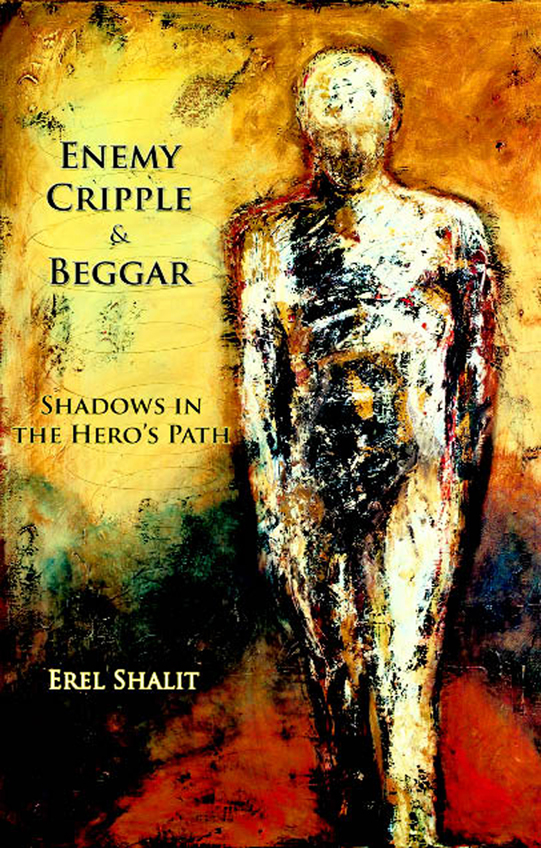
An excerpt from Enemy, Cripple, Beggar: Shadows in the Hero's Path:
....
In Egypt the ram was a sign of Amon-Ra, the sun-god. In Jewish symbolism we find it in the Shofar, the ram’s horn, and its call for repentance and freedom, and in the bonding of Isaac, where the ram is sacrificed in exchange of Isaac, in Abraham’s act of submission to the male God.
The Shofar, in fact, is a symbol that unites the opposites. It represents freedom as well as repentance, triumph and suffering, the soul’s (and the nation’s) redemption, as well as exile. It has been likened to the contrite heart bent in repentance, as well as the trachea, the windpipe, the spiritual part of the body, as opposed to, but alongside, the esophagus, the gullet, through which the food or the earthly part passes.
The ram’s horn refers to two important Biblical events, the binding of Isaac and Moses receiving the Tablets at Mount Sinai.
Abraham nearly sacrificed Isaac, but Isaac, which means ‘he laughed,’ was not actually sacrificed. The Hebrew speaks of the binding of Isaac, indicating the dramatic cultural transition from actual deed to internalized faith, from the worship of stonehard gods to ideational images. In place of Isaac, the ram was sacrificed to God, and Isaac, son of Abraham, was spared and given to life. The sacrifice need not be complete: to make sacred is no longer engraved in stone; that is, it is not literal. Yet, to make sacred, to inspire the soul and ensoul the spirit, we need to sacrifice, renounce, give up the ego’s hubris, the belief that the conscious ego is all and be all. The centrality of this remarkable transitional event is reflected in tradition, which tells us the sacrifice of the horned ram instead of Isaac took place on Mount Moriah, the Temple Mount, on Rosh Hashana, the Jewish New Year – which is when the ram’s horn is blown. 
....


Available on Amazon, and right now at a 40% discount on Fisher King Press

Thursday, September 14, 2017

War and The Enemy in the 21st Century - by Mel Mathews

One of the greatest rewards of being a publisher is in reflecting and rejoicing in the many meaningful and timely Fisher King Press publications. It truly is a privilege to be the midwife of these newborns—many of whom arrive far ahead of their time—and to witness their maturing and assimilation into the collective consciousness.

With the wars being fought on many fronts, and with the posturing and possibility of yet more, I reached for Erel Shalit’s Enemy, Cripple, Beggar: Shadows in the Hero’s Path (which we published in 2008) and have been reading from Shalit’s chapter on The Enemy, which in the beginning of the chapter, states:
On [the journey], the hero initially meets the Enemy, because the previously unrealized and unconscious dark side, the shadow, is often first encountered in projection, as carried by the enemy. 
In reference to the First World War, Jung wrote in 1916: "As events in wartime have clearly shown, our mentality is distinguished by the shameless naïveté with which we judge our enemy, and in the judgment we pronounce upon him we unwittingly reveal our own defects: we simply accuse our enemy of our own unadmitted faults." (C.G. Jung, Collected Works 8, 2nd ed., par. 516.)
The realization of the enemy shadow—whether persecuted by it, or when trying to flee or to fight it—provides a possibility of energizing the ego. In the inward process of finding one’s pain and resources, and in order to eventually find one’s way to the inner wounds that unsettle us if we do not attend to them, to find the wounded child in our soul, it is necessary to go through the projections of the shadow . . .
This is just the first few paragraphs of the chapter that explores many facets of the enemy archetype. If you have a copy of Enemy, Cripple, Beggar, I encourage you to revisit this timely publication. If you do not have a copy . . . well, here’s a link to purchase a copy of this rich and worthy book: Enemy, Cripple, Beggar - right now at a 40% discount!

As the publisher of Fisher King Press, I would also like to extend a heartfelt thank you to the many readers of our publications, and to our authors who have done the hard work of research, mining the depths of their inner worlds, and for bring back to us these timeless gems.
Fisher King Press publishes an eclectic mix of worthy books including Jungian Psychological Perspectives and a growing list of Cutting-Edge alternative titles. www.fisherkingpress.com

Thursday, September 7, 2017

"סעיד" של רן כהן


סעיד


 / 
רן כהן
מיהו סעיד הקטן, שהוברח לבדו אחרי הפרעות ביהודי בגדד אל מעבר לנהר  שאט־אל־ערב לאיראן? מיהו הילד העירקי שהגיע לבדו לישראל הצעירה והוא רק בן עשר? איך הצליח ילד דובר ערבית, להיטמע ולהתערות באופן מלא כל־כך בלב ליבו של הנוער הישראלי של שנות החמישים? איך צמח עד שהיה מִבן מיעוט נרדף בגולת־בבל למנהיג של ציבור בישראל?

הסיפור המרתק הזה מחיה את דרכו של סעיד כהן הקטן עד שהיה לרן כהןהמוכּר כחבר כנסת ואף כשר בממשלת ישראל. לא סוד הוא שחייו הציבוריים של רן הובילו אותו הרבה יותר גבוה מבחירתו לתפקיד מזכיר הקיבוץ שאליו הגיע כפליט קטן, אבל בעיניו התפקיד הזה הוא בלי ספק פסגת התערותו בחברה הישראלית.

רן כהן משקף את מיטב המורשת שהביאה עמה יהדות עיראק לישראל.סעיד הוא יצירה מלהיבה המהווה נדבך נוסף ביצירותיהם של אינטלקטואלים ילידי עיראק, אשר עלה בידם לנתץ חומות של התבדלות ולהרבות גוונים בחברה הישראלית, ובכך מפליאים בתרומתם ליצירת תרבות עשירה, רבת־פנים וחיונית.
סמי מיכאל

סיפור ישראלי מרתק שמוסיף נדבך מרנין של בריחה, עלייה וקליטה נפלאה בארץ. רן זכה במה שאנחנו, ילדי חברות נוער בקיבוצים, לא זכינו, הוא היה למזכיר הקיבוץ ומנהיגו, חבר כנסת ושר שלאורך כל הדרך ניהל מאבקים חברתיים ומדיניים מרשימים שהביאו לו ולנו גאווה רבה. סיפור עוצר נשימה של מאבק והצלחה.
אלי עמיר

סעיד הוא סיפור מרתק, קולח ומרגש, שבד בבד עם היותו אישי מאוד, אינטימי מאוד, שופע חום אנושי ואהבה, הוא גם סיפור של תקופה סוערת, קשה, רוויית מלחמות ומאבקים פוליטיים, וזה גם סיפור של עם שנוצר מיוצאי קהילות אנושיות ותרבויות חיים שונות, שמתמזגות והולכות בתשוקה גדולה ובסבל לישות הישראלית המורכבת כל כך .
יהושוע סובול

ספר מרגש ומרתק של רן הכן, מנהיג, ח"כ ושר לשעבר. חובה לקרוא, וללמוד ממנו מהי ציונות אמיתית. שונה מהקיצוניות של ממשל ביבי


Saturday, August 26, 2017

Herzl vs. Bibi


The English will follow the Hebrew

.קונגרס הציוני הראשון התקיים בין 29 ל31 באוגוסט, 1897, כלומר, לפני 120 שנה
:לאחר הקונגרס, הרצל כתב בעיתונו, ב10 לספטמבר

מסתבר שלרעיון הלאומי היהודי הכח המאחד אנשים בעלי הבדלי שפה, הבדלים חברתיים,  פוליטיים ודתיים לשלם אחד
בהסתתו, שממשיכה יותר מעשרים שנה, הן כמנהיג האופוזיציה בתקופת רבין בתחילת שנות התשעים, הן כראש הממשלה בהווה, נתניהו עושה כל מאמץ (מוצלח מבחינתו) להפריד בין חלקי העם ולהסית נגד כל מי שחושב אחרת ממנו
ללא רמז של יושרה או רסן, הוא עושה הכל כדי לפרק את המרקם העדין של החברה הישראלית, באמצעות שחיתות והסתה

לצערינו, חברי הממשלה, הן ממפלגתו של נתניהו, הן מהמפלגות הקואליציה, שותקים. כפי שאלי ויזל אמר, הצופה מן הצד, ושותק, רע יותר לקורבן מן התוקפן עצמו

למזלנו, ישנם אנשים, ארגונים ומוסדות שפועלים בארצינו הקרועה ואהובה כדי לשמור ולהגן על הדמוקרטיה והשפיות

כמה הערות ביחס להפגנות פתח תקוה:
היועץ המשפטי לממשלה מנדלבליט אינו חלק מהרשות השופטת, אלא מהרשות המבצעת, מינוי אישי של ראש הממשלה נתניהו. לכן הפגנה מול ביתו או במרחק מאות מטרים מביתו אינה דומה להפגנה מול בית של שופט.
בנובמבר 2016 מנדלבליט הכריז שאין חשד לפלילים בפרשת הצוללות. איך ידע?
הפגנות פתח תקווה החלו בנובמבר 2016 כדרישה ממנדלבליט לא לגרור רגליים ולהתחיל בחקירות או להתפטר. 
היום יש חקירה ועד מדינה, לא רק בפרשה זו, אלא בפרשות נוספות שסיומן מתעכב.
עד כה, מי ומה השפיע יותר על היועץ המשפטי לממשלת נתניהו - נתניהו או העם שדורש חקירות יעילות של השחיתות?

בין 1984 ל 1987 דתיים לאומיים וחרדים הפגינו במוצ״ש נגד פתיחת קולנוע בשבת בפתח תקוה. גם כאשר בג״צ אסר על ההפגנות, המשיכו אלפים להפגין. היכן הם היום בהגנה על הזכות הדמוקרטית לחופש הביטוי?
Herzl on the balcony in Basel


The first Zionist Congress was held in Basel, August 29-31, 1897, that is, 120 years ago.

Following the Congress, Herzl wrote a piece in Die Welt, September 10:
"[I]t turned out that the Jewish national idea possesses the unifying power to wield together people with linguistic, social, political, and religious differences into one united whole. . . . "
Netanyahu on the balcony at Zion Square
With his incitement, which has continued over twenty years, both as leader of the opposition during the premiership of Yitzhak Rabin in the early 1990s, and presently as Prime Minister, Netanyahu makes every possible (and from his point of view successful) effort to divide, instigating against those who think differently from him, rather than to bring "together people with linguistic, social, political, and religious differences into one united whole."
Without any sense of integrity or inhibition, he is doing whatever he can to destroy the fabric of Israeli society, by corruption and incitement.
Tragically, the members of the government, from his own party and his coalition partners, remain silent. They have turned into bystanders, who, as Elie Wiesel said, are worse to the victims than the aggressor.


Fortunately, there are people, organisations and institutions in this torn country who stand up to defend and protect democracy and the sanity of this beloved country.


The Hero and His Shadow
Psychopolitical Aspects of Myth and Reality in Israel

 Contents

Preface       The Beggar in the Hero’s Shadow      
Chapter 1    Return to the Source               
Chapter 2    From My Notebook             
Chapter 3    From Dream to Reality             
Chapter 4    Origins and Myths             
Chapter 5    From Redemption to Shadow         
Chapter 6    Wholeness Apart               
Chapter 7    Myth, Shadow and Projection      
Chapter 8    A Crack in the Mask          
Chapter 9    The Death of the Mythical and the Voice of the Soul


available on Kindle ($9.99) and in paperback ($29.00)